Quick Summary:
- Estimating water demand based on the number of guests, staff, vendors and event duration.
- Choosing a dependable supplier that can provide the required volume and delivery capacity.
- Planning delivery schedules in advance to ensure water is available throughout the event.
- Checking water quality and storage to maintain safe and hygienic drinking water.
- Preparing backup supply to handle unexpected increases in demand or delivery issues.
Introduction
Planning water for a large event is easy to overlook until demand suddenly increases. A successful event needs more than food, entertainment and good crowd management. Guests and staff also need convenient access to safe drinking water throughout the day.
This guide explains how Malaysian event organisers can plan water requirements, estimate demand, select suitable water tanker trucks, organise storage and delivery, maintain hygiene, prepare for unexpected demand and work with a reliable supplier. It also looks at why early booking and flexible delivery planning can make event water management much easier.
For organisers looking for a dedicated solution, Drinking Water Supply Services can be considered when the existing site supply is not enough for the expected crowd.
1. Start With an Accurate Water Demand Estimate
The first step is to estimate how much water the event may actually require. A small corporate function and a three-day outdoor festival will obviously have very different needs.
Consider factors such as:
- Expected number of visitors
- Event duration
- Number of food and beverage vendors
- Number of staff and crew
- Availability of existing water connections
- Drinking water stations
- Cleaning and sanitation requirements
- On-site storage capacity
It is also sensible to keep a reasonable reserve. Visitor numbers can be higher than expected, and hot conditions may increase drinking-water demand.
This approach supports better event water management because organisers can arrange supply based on actual requirements instead of making last-minute arrangements.
2. Choose a Supplier With Suitable Delivery Capacity
For a large gathering, reliability matters as much as the quantity supplied. A supplier should be able to understand the event schedule and arrange deliveries around venue access, storage capacity and operating hours.
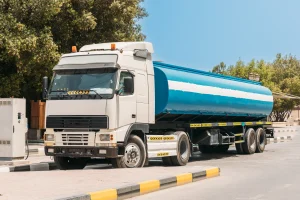
Using water tanker trucks can be useful when the venue has limited infrastructure or requires additional water during the event. The number and size of deliveries should match the available storage facilities and expected consumption.
Organisers should also ask about delivery lead times, emergency availability, tanker capacity and scheduling before confirming the booking. Clear communication helps reduce the risk of delays when the event is already underway.
A dependable water delivery service Malaysia provider should also be able to explain the available supply options and help organisers select an arrangement that matches their event requirements.
3. Plan the Delivery Schedule Before the Event
A single delivery may not always be practical for a large event. Instead, organisers can create a delivery schedule based on expected consumption.
For example, a multi-day festival may require:
- Initial filling before the event starts
- A scheduled top-up during peak hours
- Additional supply during the evening
- Reserve capacity for unexpected demand
The venue should also have a clear access route for delivery vehicles. This is particularly important at crowded locations where temporary structures, parked vehicles and security barriers may restrict tanker movement.
Good bulk water delivery planning ensures that water reaches the site when it is needed rather than waiting until storage levels become critically low.
4. Give Special Attention to Water Quality
When supplying drinking water to a large number of people, quality should never be treated as an afterthought. Event organisers should confirm what type of water is being supplied and how it is handled during transportation and storage.
Malaysia’s Ministry of Health publishes drinking-water quality standards covering a wide range of parameters and monitoring requirements.
The National Environmental Health Action Plan Malaysia also highlights the importance of safe and sustainable water, sanitation and hygiene services in protecting public health.
For event organisers, this means asking practical questions about the source, handling, transportation and storage arrangements before the event begins. Good safe drinking water supply practices can help support a cleaner and more organised event environment.
5. Arrange Proper On-Site Storage
Having enough water delivered is only part of the solution. The event site also needs suitable storage and distribution arrangements.
Storage tanks should be positioned where they are easy to access but do not interfere with guests, temporary structures or emergency routes. They should also be maintained in a hygienic condition.
Drinking stations should be positioned in convenient areas, especially near:
- Main entrances
- Food courts
- Seating areas
- Exhibition halls
- Sports grounds
- Staff zones
- Queuing areas
A well-planned event hydration station can improve convenience for visitors while reducing pressure on a single water point.
Organisers should also check whether the venue has enough water storage tanks to handle the expected demand between scheduled deliveries.
6. Consider Different Types of Malaysian Events
Water requirements can change considerably depending on the event.
Outdoor concerts may experience heavy demand during peak attendance. Sports events may need additional drinking water for participants and spectators. Large weddings and private functions may need water for catering and cleaning. Exhibitions and trade shows can require a consistent supply for visitors, exhibitors and venue operations.
For projects where water is needed beyond drinking purposes, organisers can also review Water Tanker Supply options and determine whether separate arrangements are more suitable for operational requirements.
In Johor, for example, event organisers searching for water tanker Johor services may need to consider venue location, access roads, delivery timing and the distance between the supplier and event site.
7. Prepare for Unexpected Demand
Even a carefully planned event can experience changes. Attendance may increase, a delivery may need to be rescheduled or an existing water source may become temporarily unavailable.
A practical backup plan can include:
- Keeping reserve water on-site
- Having an emergency delivery contact
- Monitoring tank levels
- Checking delivery vehicle access
- Assigning one person to manage water requirements
Having access to an emergency water supply plan can be particularly useful when unexpected demand places additional pressure on the original supply arrangement.
8. Coordinate Water Supply With Other Site Services
Water planning should not be handled separately from the rest of the event operation. Event managers should coordinate with security teams, venue management, catering contractors and cleaning crews.
If an event is being held at a developing venue or temporary site, water requirements may overlap with other operational needs. For construction-related requirements, organisers or site managers can also explore Construction Sites Water Supply where appropriate.
Coordinating temporary water supply arrangements with other site services can help prevent access problems and ensure deliveries take place without disrupting the event.
9. Book Early for Better Planning
Waiting until the final few days can make event water management more difficult. Early booking gives organisers time to calculate requirements, confirm delivery schedules and arrange storage.
It also gives the supplier enough information to understand the venue, expected attendance and timing requirements. For major festivals and events taking place during busy periods, early communication can be particularly helpful.
Early planning for water delivery services Malaysia also allows organisers to identify potential access issues and make adjustments before guests arrive.
Plan Ahead for Reliable Water Supply
Reliable water planning is an important part of running a large event in Malaysia. By estimating demand, selecting the right delivery capacity, checking water quality, preparing suitable storage and keeping a backup plan, organisers can provide a smoother experience for guests and staff.
The key is to treat water as part of the event infrastructure rather than a last-minute requirement. Whether you are organising a festival, exhibition, sporting event, wedding or corporate programme, having a planned reliable water supply Malaysia arrangement can make event operations more organised.
If you are planning an upcoming event and need help discussing your water requirements, delivery schedule or site arrangements, you can Contact WaterTanker.my to discuss a suitable supply option for your event.
FAQ:
1. How much drinking water does a large event need?
The amount depends on attendance, event duration, weather, food vendors, staff numbers and available facilities. Organisers should estimate expected consumption and keep additional reserve capacity.
2. Can water tankers supply water for outdoor events?
Yes. Water tankers can be useful when an outdoor venue has limited water infrastructure or needs additional supply. Delivery timing and storage capacity should be planned in advance.
3. When should an event organiser book water supply?
It is better to arrange the supply as early as possible. Early planning allows organisers to confirm water requirements, delivery schedules, vehicle access and storage arrangements before the event.
4. How can event organisers maintain drinking-water hygiene?
They should work with a reliable supplier, use suitable storage facilities, keep tanks and distribution points hygienic, and ensure water is handled appropriately from delivery through to consumption.
5. Can water supply be arranged for multi-day events?
Yes. Multi-day events can use scheduled deliveries and on-site storage to maintain supply throughout the programme. The schedule should account for expected daily demand and reserve capacity.